IPTV vs Sky TV: How the Two Actually Compare for NZ Households
A fair look at what you get from each, where Sky is genuinely stronger, where IPTV wins, and how the cost structures differ — contracts and monthly billing versus a one-time payment.
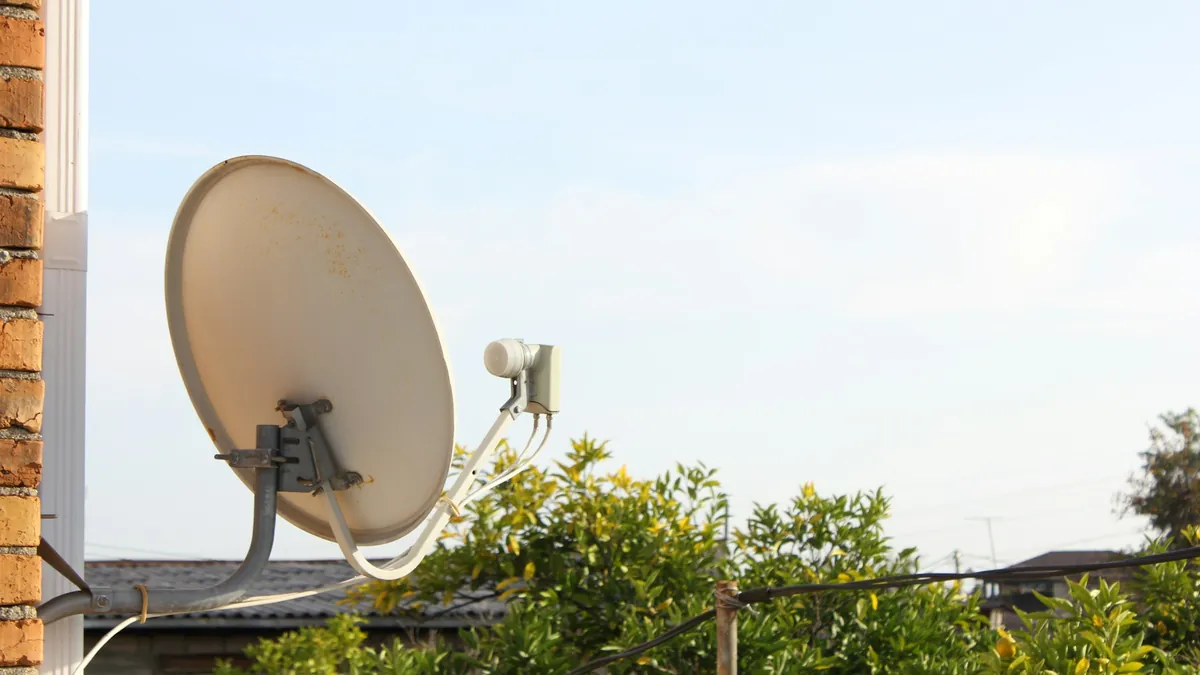
Most comparisons of this kind are written to make one option look obvious. This one is not, because for some households Sky genuinely is the better answer. Here is how the two actually differ.
How you pay is the biggest difference
Sky is a monthly subscription. You pick a base package, add Sky Sport or a movies tier on top, and it bills every month until you cancel. Some offers involve a fixed term, and hardware may be included or charged separately.
Our plans work the other way around. You pay once for a term — one month, six months, twelve, twenty-four or thirty-six months — and that is the transaction. There is no auto-renewal and no recurring billing. When the term ends, it ends, and you decide whether to buy another one. Plans start at NZ$26.99.
Neither model is inherently better. Monthly billing is easier to walk away from mid-year. A one-time payment means nothing quietly rebills you and the per-month cost drops sharply on longer terms — our thirty-six month plan works out around NZ$6.94 a month.
What is worth doing is the annual arithmetic on whatever you currently pay, because monthly amounts are designed to feel small and the yearly total rarely does. Add up twelve months of your current bill including any sport add-on, then compare it to a twelve-month IPTV plan.
Where Sky is genuinely stronger
Exclusive New Zealand sport rights. This is the real one. Sky holds the rights to a great deal of the sport New Zealanders care about most. If your viewing centres on a specific domestic competition, check carefully before you assume any alternative covers it.
Integration and support. Sky is a New Zealand company with local call centres, an installer network, and a box that someone else sets up for you. If you want a single accountable party who will send a technician, that has real value.
Reliability of a broadcast signal. Satellite keeps working when your broadband does not. If your internet is unreliable — genuinely unreliable, not occasionally slow — a dish is more robust.
No setup involved. IPTV requires you to install a player app and enter login details. It is not difficult and our setup guide covers each device, but it is a step that does not exist with Sky.
Where IPTV wins
Channel volume. Our plans carry around 21,000 live channels, including a very large international selection. No satellite package approaches that, because satellite capacity is physically limited and IP delivery is not.
On-demand library included. Roughly 105,000 films and 24,000 series come with the subscription rather than as a separate service or a per-title rental.
No hardware and no installer. It runs on the devices you already own — Smart TV, Fire TV Stick, Apple TV, Android box, phone, tablet, laptop. Nothing is mounted to the house, and nothing needs returning if you stop.
Multi-device flexibility. Plans run from one to six simultaneous connections. Watching on a phone at the beach is the same subscription as watching in the lounge.
No contract. The term you buy is the term you get. There is nothing to cancel.
Equipment, moving house, and exit costs
Worth thinking about if you rent. A satellite service involves a dish and a decoder — installation, potentially landlord permission, and a relocation when you move.
IPTV moves with your login. A new flat with a working internet connection means signing in again. For anyone who moves reasonably often, this is a bigger practical difference than it sounds.
Picture quality
Both deliver HD comfortably. Our plans include HD, Full HD and 4K, though as with every provider, 4K availability varies by channel rather than applying to everything.
The honest difference is consistency. A satellite signal is stable regardless of what else is happening on your internet. IPTV quality depends on your connection, which in a New Zealand fibre household is usually excellent and in a congested rural one may not be. Our guide on internet speed covers what each connection type manages.
Can you run both?
Plenty of people do, and it is often the sensible answer. Keep Sky for the specific sport you cannot get elsewhere, and add IPTV for international channels, the film and series library, and everything else. Because IPTV has no contract, you can run it for six months and stop without penalty if it turns out you did not need it.
How to decide
Ask yourself three questions.
Is there a specific competition you must have? If yes, check whether it is covered before anything else. This outranks every other consideration.
How reliable is your internet, really? Not your plan speed — your actual evening performance on the device you watch on. If it is solid, IPTV is straightforward. If it drops out weekly, a dish is more dependable.
What do you actually pay per year now? Work out the real annual figure including add-ons. That is the number to compare, and it is usually larger than people expect.
If you decide to try it, the plans are here and activation is typically within minutes. If you have questions first, the FAQ covers the common ones and we answer messages on WhatsApp.
Common questions
Is IPTV cheaper than Sky TV in New Zealand?
Generally yes, though the models differ. Sky bills monthly and continues until cancelled. Our plans are one-time payments for a fixed term with no auto-renewal, from NZ$26.99. Work out your real annual spend including any sport add-on, then compare it against a twelve-month plan.
Can I keep Sky and add IPTV?
Many people do, and it is often sensible. Keep Sky for the specific competitions it holds exclusively, and add IPTV for international channels, the film and series library, and general viewing. Because there is no contract, you can run IPTV for six months and stop without penalty.
Do I need a satellite dish for IPTV?
No. IPTV arrives entirely over your existing internet connection, so there is no dish, no aerial and nothing mounted to the house. That also makes moving much simpler — your subscription follows your login rather than requiring a relocation visit.